


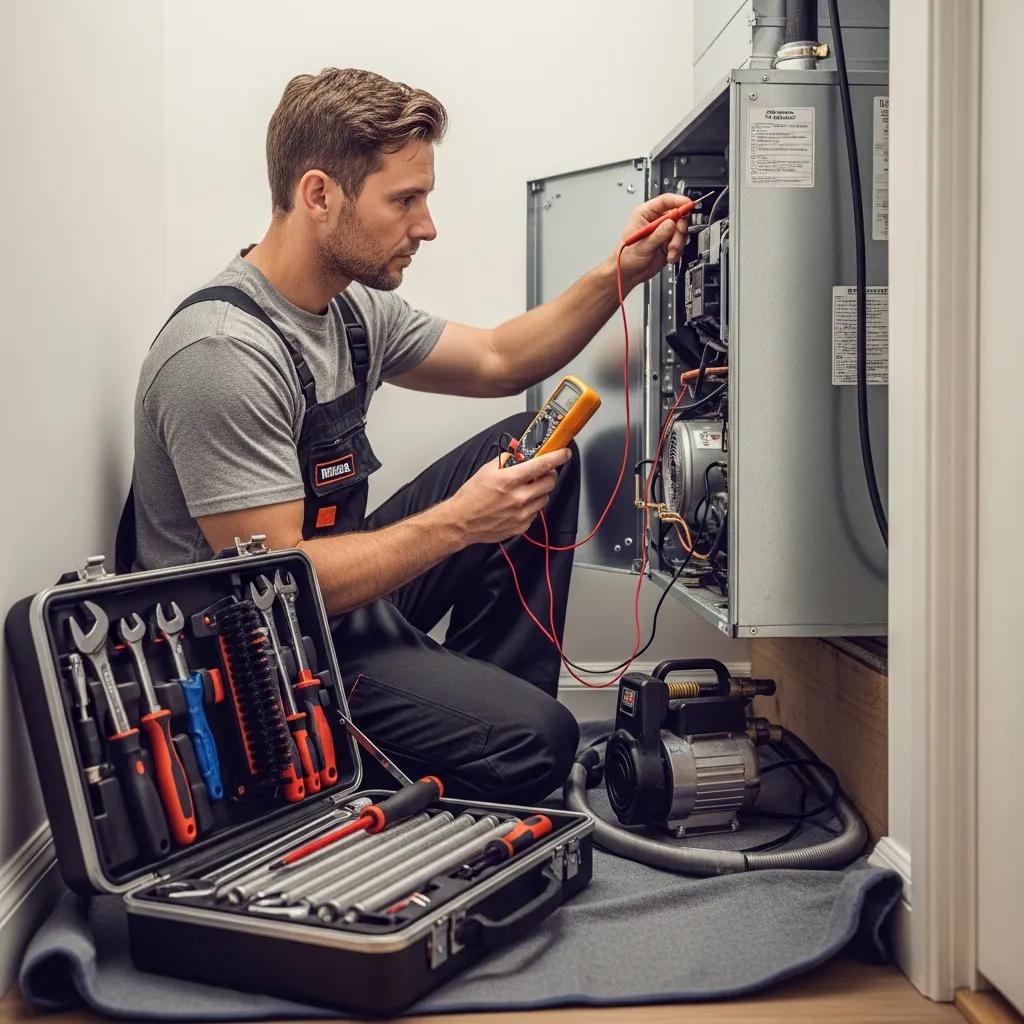
How Regular HVAC Maintenance Saves You Money — and Helps Your System Last Longer
Preventative HVAC maintenance is a planned program of inspections, cleanings, adjustments and small repairs that keeps heating and cooling systems safe and efficient. Research and industry experience show routine service cuts energy use, lowers repair frequency and extends equipment life — benefits that matter to Hamilton homeowners and small businesses in Stoney Creek, ON. This guide walks through the main advantages of preventative HVAC maintenance: how it reduces repair costs and emergency breakdowns, why furnace tune-ups matter for safety, the indoor air quality improvements you can expect, the best seasonal timing for Hamilton weather, and typical cost comparisons for maintenance plans. You’ll find clear task lists, real-world savings examples, and practical checklists to evaluate service providers and keep warranty paperwork in order. With that information, property owners can pick the right service cadence and simple DIY steps to protect comfort, health and long-term value.
What Are the Key Benefits of Preventative HVAC Maintenance?
Regular HVAC maintenance delivers measurable results by keeping components working as designed, which reduces wasted energy and prevents small problems from turning into big ones. Routine inspections and tune-ups fix common issues — clogged filters, dirty coils, incorrect refrigerant charge and worn parts — that increase energy use and speed up wear. The main outcomes are lower utility bills, fewer repairs, longer equipment life, more consistent comfort and help keeping manufacturer warranties valid. Below is a short list of the top benefits with plain explanations for homeowners and small businesses in Hamilton climates.
The top five benefits of preventative HVAC maintenance include:
- Lower energy bills by improving airflow and cleaning heat-exchange surfaces so equipment runs less.
- Longer equipment life by reducing wear, overheating and component stress that lead to early failure.
- Fewer repairs and emergency calls because small issues are caught and fixed early.
- Better comfort with steadier temperature and humidity control across your home or workplace.
- Improved safety and stronger warranty protection since documented professional service supports claims and reduces risk.
Together, these benefits reduce total ownership costs and make operating budgets more predictable — which leads into how routine service creates energy savings in practice.
How Does Preventative Maintenance Improve Energy Efficiency?
Preventative maintenance restores proper heat transfer, airflow and control accuracy. Technicians clean coils, recommend or replace filters, check refrigerant levels and fine-tune blower and burner settings. Clean evaporator and condenser coils let heat move faster so the compressor runs less, and the right refrigerant charge prevents the compressor from working harder than it should. Replacing clogged filters and balancing airflow lowers pressure drops that force blowers to use more power, and lubricating motors cuts friction losses. You can track results by comparing seasonal utility bills before and after service — industry guidance suggests routine maintenance can save roughly 5–15% on energy depending on the starting condition. Those savings also reduce wear on parts and support longer equipment life.
Before we look at lifespan benefits, it helps to see how different system conditions affect energy use, repair needs and comfort in practical terms.
System condition directly changes energy consumption, repair frequency and comfort — a useful way to estimate service ROI.
| System Condition | Energy Consumption | Typical Repair Frequency | Expected Lifespan | Comfort Outcome |
|---|---|---|---|---|
| Well-maintained | Low (optimized runtime) | Rare (preventive fixes) | Full expected life (+2–4 years) | Even, reliable temperatures |
| Moderately maintained | Moderate (some inefficiencies) | Occasional (minor repairs) | Slightly reduced | Minor hot/cold spots |
| Neglected | High (inefficient operation) | Frequent (major failures) | Shortened (premature replacement) | Poor temperature and humidity control |
That comparison shows why investing in regular service usually pays off over time — next we explain how maintenance helps equipment last longer.
In What Ways Does Maintenance Extend HVAC Equipment Lifespan?
Routine maintenance lengthens equipment life by cutting mechanical stress, spotting failing parts early and keeping components operating inside safe limits. Common tasks — lubrication, belt and motor checks, refrigerant-leak detection and preventive replacement of vulnerable parts — stop small faults from causing bigger damage like compressor failure or heat-exchanger cracks. Regional examples show systems that get biannual professional service often meet or beat manufacturer lifespan estimates, while neglected units can fail years sooner under heavy seasonal load. Watch for signs of accelerated aging — rising energy bills, frequent cycling, strange noises and uneven temperatures — and call for diagnostics when you see them. Early action protects replacement value and lowers lifecycle costs.
If you’d rather leave these checks to a local trusted team, the next section explains how routine service reduces repair bills and emergency calls.
How Does Preventative HVAC Maintenance Reduce Repair Costs and Prevent Breakdowns?
Preventative HVAC maintenance cuts repair costs by finding wear patterns early and fixing them before they cause expensive failures or full-system replacement. During tune-ups, technicians run diagnostics that reveal early problems like refrigerant leaks, deteriorating electrical connections and worn bearings; addressing those small items is far cheaper than emergency compressor or heat-exchanger work. For businesses, scheduled maintenance reduces downtime and the risk of peak-season failures that can hit revenue. Below are common repairs routine maintenance typically prevents and why early detection matters financially.
Common repairs avoided through regular tune-ups include:
- Compressor failures: Clean coils and correct refrigerant levels cut compressor stress and premature burnout.
- Motor and blower issues: Lubrication and bearing checks stop motor seizure and reduce fan replacements.
- Refrigerant leaks and contamination: Early leak detection prevents extensive recovery and component damage.
- Control and electrical faults: Tightening connections and testing controls avoids costly board replacements and unsafe failures.
What Common Repairs Can Be Avoided with Regular HVAC Tune-Ups?
A focused tune-up targets frequent failure points before they grow into major repairs, saving on parts and labour by fixing problems while they’re small. Technicians check for refrigerant imbalances that harm compressors, loose electrical connections that can arc or damage control boards, clogged condensate lines that cause water issues, and worn belts or pulleys that strain blower motors. Replacing inexpensive items like filters and capacitors during scheduled visits prevents the need for costly component swaps later. Making these checks part of a maintenance plan helps you budget predictable service instead of absorbing surprise emergency bills.
How Does Maintenance Lower Emergency Repair Risks?
Maintenance reduces the risk of sudden breakdowns, especially during peak seasons when systems are under heaviest load. Pre-season inspections spot weak components and correct airflow or refrigerant problems that are likely to fail on the coldest or hottest days. A service provider familiar with your system’s history also diagnoses issues faster and often carries common parts, which shortens downtime. For small businesses, fewer outages mean steadier operations and less lost revenue. A regular maintenance schedule is practical insurance against high-cost emergency repairs and improves system reliability.
The safety angle is particularly important for combustion heating systems, which we cover next.
Why Is Furnace Tune-Up Important for Safety and Performance?
A furnace tune-up matters for both safety and performance because a professional inspection can catch combustion problems, heat-exchanger defects and venting issues that risk carbon monoxide or fires. During a tune-up, trained technicians check ignition and flame patterns, inspect the heat exchanger for cracks, verify venting and draft, and confirm safety controls work correctly. These checks lower CO risk, improve combustion efficiency and ensure steady heat with lower operating costs. The section below explains how furnace maintenance helps prevent carbon monoxide hazards and why professional testing is important.
Because combustion safety is critical, homeowners should know the common CO warning signs and make sure their technician follows industry-standard checks and tests.
How Does Furnace Maintenance Prevent Carbon Monoxide Hazards?
Furnace maintenance prevents carbon monoxide hazards by including a heat-exchanger inspection, flue and vent evaluation, and combustion analysis to confirm safe fuel combustion. A cracked or corroded heat exchanger can let combustion gases mix with your indoor air; technicians use visual inspection and combustion analyzers to catch problems before they become dangerous. Proper venting stops flue-gas backdrafts into living spaces, and testing safety switches and limits ensures the furnace shuts down when something’s wrong. Homeowners should also use working carbon monoxide detectors as a last line of defense — maintenance lowers the underlying risk, detectors alert you if something slips through.
Next, here’s a straightforward look at the standard tasks a technician performs during a comprehensive furnace tune-up.
What Are the Essential Furnace Tune-Up Tasks?
A professional furnace tune-up is a practical checklist of inspections and adjustments to keep the system safe and efficient. Typical items include filter inspection or replacement, burner and ignition cleaning and testing, heat-exchanger inspection, blower servicing and safety-control checks. Technicians will also verify thermostat calibration, gas pressure, flue integrity and, when needed, carbon monoxide readings — and they’ll document findings to support warranty and safety records. Each task has a clear safety or performance purpose: filters protect airflow, burners enable proper combustion, the heat exchanger contains combustion gases, and controls prevent unsafe operation.
A technician’s task list makes it clear how each action supports safety and reliability during a furnace tune-up.
| Task | What Technician Checks | Safety / Performance Benefit |
|---|---|---|
| Filter inspection/replacement | Airflow restriction and filter condition | Maintains airflow and reduces overheating risk |
| Heat exchanger inspection | Visual/crack inspection and draft testing | Prevents combustion gas leakage (CO) |
| Burner and ignition testing | Flame pattern and ignition reliability | Ensures complete combustion and efficiency |
| Blower and motor servicing | Bearings, belts and motor amperage | Prevents motor failure and maintains airflow |
| Safety control testing | Limit switches and pressure switches | Ensures automatic shutdown under fault conditions |
This task-to-benefit mapping shows why professional tune-ups protect occupants and keep systems performing — next we cover how maintenance improves indoor air quality.
If you want a qualified local team to handle these safety-critical checks, BG Services in Stoney Creek, ON offers furnace tune-ups and safety inspections by trained technicians. Scheduling a professional inspection provides the documentation you need for safety records and warranties. Our local technicians understand Hamilton combustion patterns and can advise on detector placement and maintenance intervals suited to regional conditions. When safety and compliance matter, calling a trusted local provider is the right move.
How Does Preventative HVAC Maintenance Improve Indoor Air Quality?
Preventative HVAC maintenance helps indoor air quality (IAQ) by making sure filters are changed or upgraded, coils and drain pans are cleaned and ventilation works as intended to remove pollutants and control humidity. Clean filters trap dust, pollen and allergens before they recirculate, and clean coils and condensate lines stop microbial growth that causes odors and irritation. Proper ventilation and humidity control lower mold risk and improve comfort and health — especially important for households with allergy sufferers and for small businesses where employee health affects productivity. The section below explains filters and duct cleaning in more detail and when each is appropriate.
Knowing filter options and how ducts behave helps you target IAQ improvements that work best with regular professional maintenance.
How Does Regular Maintenance Align with Manufacturer Warranty Requirements?
Many manufacturer warranties require documented maintenance to remain valid — often at least annual or biannual professional inspections with saved service records. To comply, request written service reports after each visit that list tasks performed, measured operating values and any follow-up recommendations; keeping those records supports claims if a component fails prematurely. Ask technicians for clear reports with dates and signatures to build the verifiable history warranty departments expect. This documentation preserves warranty coverage and helps buyers or appraisers evaluate equipment condition when selling or valuing a property.
If you prefer a packaged option, BG Services offers seasonal maintenance plans from local Stoney Creek, ON technicians; these plans simplify scheduling and provide documented visits that meet many warranty requirements while matching Hamilton seasonal timing. Discuss plan terms with a technician so visit frequency, included checks and documentation meet manufacturer expectations.
What Factors Influence the Price of HVAC Tune-Ups and Maintenance?
Several factors affect tune-up and maintenance pricing. System type and size matter — larger or more complex systems take longer. Older equipment often needs extra attention. Accessibility (tight spaces or rooftop units) increases labour time. Parts and refrigerant requirements, plus local demand and seasonality, also influence price. Pre-season appointments are typically cheaper than after-hours emergency visits. Ask providers for a clear scope and itemized estimates so you can compare proposals fairly and choose the best mix of coverage and value.
For Stoney Creek, ON property owners who want transparent pricing and documented service, BG Services offers seasonal maintenance options and written service records; contacting their local team by phone can clarify plan details, included visits and documentation practices to match warranty requirements and operational needs. Our local knowledge helps tailor services to Hamilton climate demands and the equipment types commonly found in the region.
- Choosing a maintenance approach: Compare plan inclusions, visit frequency and documentation.
- Budgeting for lifecycle costs: Weigh average annual maintenance against likely emergency repair expenses.
- Verifying technician qualifications: Ensure service reports include measurements and signatures for warranty compliance.
To schedule a seasonal maintenance visit or ask about priority servicing in Stoney Creek, ON, contact BG Services by phone at (905) 574-8747 or check our Google Business Profile for local hours and booking options. Our team can arrange a pre-season inspection and provide the written documentation many manufacturers require. Professional scheduling helps you capture the full benefits outlined above and keeps consistent records that protect safety and system value.
Frequently Asked Questions
What should I look for when choosing an HVAC maintenance provider?
Look for experience, certifications and good customer reviews. Choose technicians certified by recognized organizations and ask about their service offerings, response times and whether they provide written reports after each visit. Transparent pricing and maintenance plans that fit your needs are important. Also confirm the company has experience with your specific system type so they can handle unique requirements.
How does HVAC maintenance impact indoor air quality?
HVAC maintenance improves indoor air quality by keeping filters clean, cleaning coils and ducts as needed, and ensuring proper ventilation and humidity control. These steps reduce dust, allergens and microbial growth, which can improve health and comfort — particularly for people with allergies or respiratory concerns.
What should I do if my HVAC system breaks down?
If your system fails, turn it off to prevent further damage and check thermostat settings and power. If the problem continues, call a qualified HVAC technician for diagnosis and repair. Tell the technician about any unusual noises, smells or performance changes you noticed. Keeping a maintenance history on hand helps the technician find the cause faster.
Conclusion
Regular preventative HVAC maintenance boosts energy efficiency and helps your system reach its expected lifespan while keeping your home or business comfortable and safe. Investing in routine service prevents avoidable repairs, improves indoor air quality and protects both health and property value. To experience these benefits, schedule a professional maintenance visit tailored to your equipment and needs. Reach out to BG Services today to learn about our maintenance plans and keep your HVAC system running reliably.