seasonal energy efficiency ratio, seer energy savings calculator, seer calculator, calculating seer, energy efficiency ratio calculation, seer savings calculator, hvac energy savings calculator, air conditioning seer rating, best seer rating ontario
Understanding SEER: What It Means for Your HVAC System
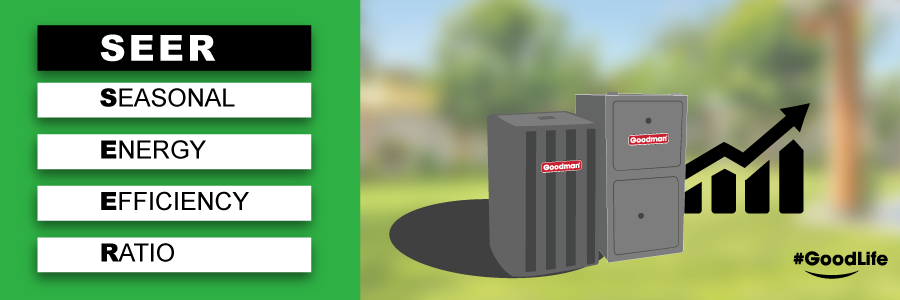
The Seasonal Energy Efficiency Ratio (SEER) is a critical metric that helps homeowners evaluate the efficiency of their air conditioning systems. A higher SEER rating indicates a more efficient unit, which can lead to significant energy savings and lower utility bills over time.
For instance, if your HVAC system has a SEER rating of 16 compared to an older model with a SEER rating of 10, you could potentially save up to 30% on your cooling costs. Understanding this ratio can empower you to make informed decisions about upgrades or replacements to enhance your home's energy efficiency.
How to Use the SEER Calculator Effectively
Using the SEER calculator is straightforward, allowing you to input your HVAC system's specifications and energy consumption data. This tool provides an estimate of your system's efficiency, helping you assess whether your current unit meets modern efficiency standards.
To get the most accurate results, ensure that you have the correct information regarding your system's model, age, and operating hours. By regularly evaluating your SEER, you can track performance over time and make timely decisions about maintenance or replacement.
Benefits of High SEER Ratings
Investing in a high SEER-rated HVAC system offers numerous benefits, including reduced energy costs, improved comfort, and a smaller carbon footprint. These systems not only cool your home effectively but also operate more quietly and last longer than their lower-rated counterparts.
Moreover, many utility companies offer rebates or incentives for homeowners who upgrade to energy-efficient systems with high SEER ratings. This can offset the initial investment and lead to substantial savings in the long run while contributing to environmental sustainability.
Common HVAC Issues Affecting SEER Performance
Several factors can negatively impact the SEER performance of your HVAC system, including dirty filters, refrigerant leaks, and inadequate maintenance. These issues can cause your system to work harder, leading to higher energy consumption and reduced efficiency.
Regular maintenance, such as cleaning or replacing filters and scheduling professional inspections, can help mitigate these problems. By addressing common HVAC issues proactively, you can ensure that your system operates at its optimal SEER rating, maximizing energy savings and comfort in your home.