


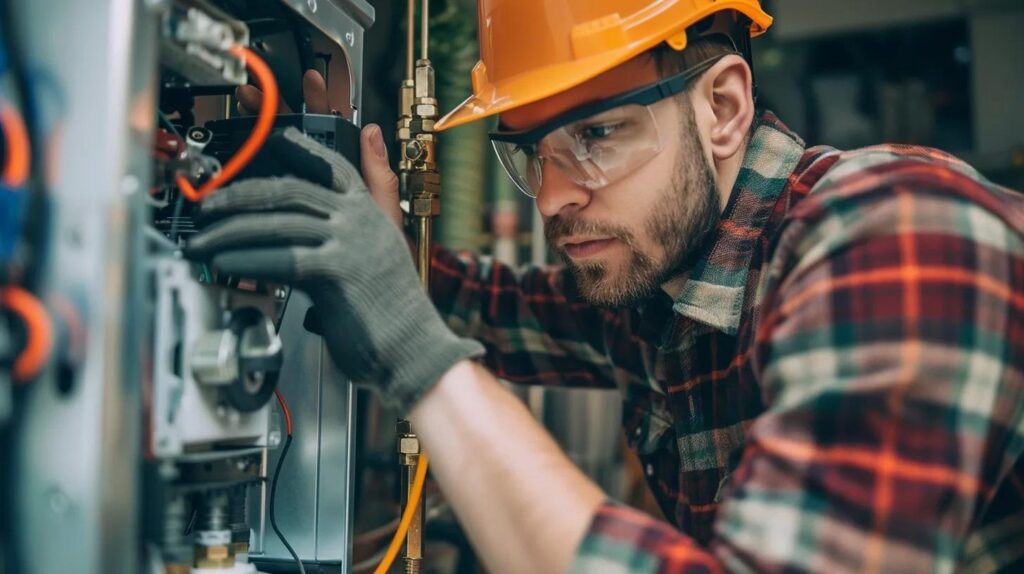
Get Your Hamilton Home Winter-Ready: Furnace Care, Energy-Saving Tips & Safety
Winter in Hamilton can be tough on homes. A little preparation now will keep you warmer, lower energy bills and reduce the chance of a breakdown when you need heat most. This guide walks through practical furnace maintenance, efficient heating options, sealing and insulation tips, safety steps and when to call in a professional. With a few proactive moves, common heating problems become easy to avoid.
How to Prepare Your Furnace for Hamilton Winters
Preparing your furnace before cold weather hits helps it run safely and efficiently all season. Routine care keeps heat reliable, lowers operating costs and extends your system’s life. Small checks now can prevent costly surprises later.
Using modern predictive maintenance tools—often powered by machine learning—lets technicians catch issues early and keep HVAC systems running more efficiently.
Predictive Maintenance for HVAC Energy Efficiency
This study looks at how machine learning can predict maintenance needs for HVAC systems. By forecasting faults and maintenance windows, these models help reduce downtime, improve energy performance and save money over time.
Machine learning algorithms for predictive maintenance in HVAC systems, 2023
What’s on a complete furnace maintenance checklist?
- Filter Replacement: Replace or clean the furnace filter every 1-3 months, or more frequently if you have pets or allergies. A clean filter, ideally with a MERV rating of 8-11, ensures steady airflow, prevents dust buildup on internal components, and keeps the system running efficiently, potentially reducing energy consumption by 5-15%.
- Safety Checks: Test carbon monoxide alarms monthly by pressing the test button, and replace batteries annually. Ensure smoke detectors are also functional and fire extinguishers are accessible and charged. These critical safety devices provide early warning for potential hazards like CO leaks or electrical fires.
- System Testing: Run the furnace for a full cycle before the cold weather arrives. Listen for any unusual noises like banging, rattling, or squealing, and observe if the furnace cycles on and off too frequently (short-cycling) or runs continuously. Check that the pilot light (if applicable) is a strong blue flame and that the igniter is functioning correctly.
- Inspect and Clean Components: Visually inspect the burners for even flame distribution and the heat exchanger for any cracks or corrosion, which can be a serious safety hazard. Clean the blower motor and fan blades to remove accumulated dust and debris, ensuring optimal air circulation. Also, check the flame sensor and igniter for cleanliness and proper function.
- Check Thermostat Settings: Verify that your thermostat is calibrated correctly and accurately reflects the room temperature. Test its programming features to ensure it adjusts temperatures according to your schedule, and confirm that it switches between heating and cooling modes as expected.
Working through these steps helps ensure your furnace is ready for winter and reduces the risk of unexpected failures, providing peace of mind and consistent warmth.
When should I schedule furnace service to avoid winter breakdowns?
Book furnace service in the fall—typically September or October—before the heating season ramps up. HVAC pros are less busy then, and any repairs can be handled before the cold arrives. A professional fall tune-up usually includes a comprehensive inspection of all components, cleaning, lubrication, and safety checks, ensuring your system is optimized for peak performance and efficiency throughout the coldest months.
- Strange or loud noises from the furnace, such as grinding, squealing, or persistent banging, which often indicate mechanical issues or worn parts.
- Uneven heating from room to room, suggesting airflow problems, duct leaks, or a malfunctioning blower.
- Noticeable jump in your energy bills (e.g., a 10-20% increase compared to previous years), indicating your furnace is working harder than it should to maintain temperature.
If you spot any of these signs, contact a professional for an inspection. BG Services provides dependable furnace maintenance to get your system winter-ready.
Best energy-efficient heating solutions for Hamilton homes
Choosing energy-efficient heating can cut costs and keep your home comfortable. There are several good options—each fits different homes and budgets.
How can heat pumps improve winter heating efficiency in Hamilton?
Heat pumps move heat from outside into your home and can be far more efficient than traditional systems. Instead of generating heat by burning fuel, they transfer existing heat, making them up to 300-400% efficient (meaning they deliver 3-4 units of heat energy for every 1 unit of electrical energy consumed). Modern cold-climate heat pumps operate effectively down to about -25°C (-13°F), offering strong heating performance and lower energy use, often reducing heating costs by 30-50% compared to electric resistance or oil furnaces. They also significantly reduce your carbon footprint compared with older, fossil-fuel systems, aligning with Hamilton’s environmental goals.
Smart thermostat settings that save on heating costs
Smart thermostats learn your routine and adjust temperatures to save energy without sacrificing comfort. By optimizing your heating schedule, they can reduce energy consumption by an average of 10-12% annually.
- Lower the temperature while you’re out to save energy. For example, setting your thermostat back by 7-10 degrees Fahrenheit for 8 hours a day can save up to 10% on your heating bill. Many smart thermostats can automatically detect when you’ve left the house using geofencing.
- Set a steady nighttime temperature for comfortable sleep and fewer swings. A common recommendation is to set it to 18-20°C (64-68°F) overnight, which is comfortable for sleeping and avoids excessive heating when you’re under blankets.
- Use vacation mode for extended absences to conserve energy safely. This mode typically maintains a lower, but still safe, temperature (e.g., 10-12°C or 50-54°F) to prevent pipes from freezing without wasting energy on an empty house.
These simple settings can add up to noticeable savings on your heating bill, often paying for the thermostat itself within a year or two.
Safety measures every Hamilton homeowner should take for winter heating
Safety is crucial. Follow these steps to protect your family and home while keeping heat reliable.
How do carbon monoxide alarms comply with Ontario’s 2026 rules?
Carbon monoxide (CO) alarms save lives. As of January 1, 2026, Ontario requires working CO alarms installed outside all sleeping areas and on every floor that contains a fuel-burning appliance (like a furnace, water heater, or fireplace) or an attached garage. For optimal safety, consider installing combination smoke/CO alarms. Test alarms regularly (monthly is recommended) and replace them or their batteries according to manufacturer guidance—typically alarms should be replaced every 5-7 years. Ensure you have at least one alarm on each level of your home, especially near bedrooms, to provide maximum protection against this odorless, colorless gas.
Carbon monoxide safety is a top priority—staying up to date with changing regulations keeps your household protected.
Preventing Carbon Monoxide Poisoning in Ontario Homes
Each year, people die from accidental carbon monoxide (CO) exposure in homes. The Technical Standards and Safety Authority of Ontario highlighted CO as a top risk, and research using mental modeling helped shape clearer, more effective public messaging to raise homeowner awareness and encourage protective action.
Saving Lives from a Silent Killer: Using Mental Modeling to Address Homeowners’ Decision Making About Carbon Monoxide Poisoning, 2016
Best practices to prevent frozen pipes and water damage
Frozen pipes can cause major damage, leading to costly bursts and extensive water damage. Reduce risk with these steps:
- Insulate pipes in unheated spaces like basements, crawl spaces, attics, and exterior walls. Use foam pipe sleeves, fiberglass insulation, or even heat tape (with caution and proper installation) to protect vulnerable sections of plumbing.
- Let faucets drip slowly during extreme cold to keep water moving through the pipes. This slight flow can prevent pressure buildup and reduce the likelihood of freezing, especially for pipes running through exterior walls.
- Keep indoor temperatures above freezing, especially in vulnerable areas. Maintain your thermostat at no lower than 13-15°C (55-60°F) even when you’re away, and open cabinet doors under sinks on exterior walls to allow warmer air to circulate around pipes.
These measures help protect plumbing and avoid costly repairs, which can easily run into thousands of dollars for burst pipe remediation.
When should I call experts for furnace repair or emergency HVAC service in Hamilton?
Knowing when to call a professional keeps your home safe and helps fix problems before they get worse, potentially saving you from a complete system failure during the coldest days.
Common signs you need furnace repair
- Unusual noises: Banging, rattling, grinding, or high-pitched squeals often point to mechanical faults such as a loose blower wheel, worn bearings, a failing motor, or issues with the ignition system. These sounds should never be ignored as they can indicate impending component failure.
- Inconsistent heating: Rooms that won’t reach the set temperature, cold spots throughout the house, or the furnace constantly cycling on and off (short-cycling) indicate system or airflow issues. This could be due to a clogged filter, a malfunctioning thermostat, or a more serious problem with the heat exchanger or blower.
- Rising energy bills: A sudden and unexplained increase in your heating costs (e.g., a 15-25% jump compared to previous months or years) can mean the system is running inefficiently, working harder to produce the same amount of heat, or experiencing a significant leak in the ductwork.
If you notice any of these warning signs, arrange a professional inspection promptly to diagnose and address the issue before it escalates into a more expensive repair or a complete breakdown.
How to maintain indoor air quality through Hamilton winters
Indoor air quality matters, especially when homes are closed up for winter. A few simple steps keep air cleaner and more comfortable, reducing allergens, pollutants, and excessive dryness.
Indoor air quality solutions that improve winter comfort
Air purifiers: Utilize standalone or whole-home air purifiers with HEPA filters to effectively reduce allergens like dust mites, pet dander, and pollen, as well as airborne particles and some odors. Activated carbon filters can further help with chemical fumes and VOCs, creating a fresher indoor environment.
- Humidifiers: Add moisture to combat dry indoor air, which is common during winter heating. Whole-house humidifiers integrated with your HVAC system or portable units can maintain optimal indoor humidity levels (ideally between 30-50%). This helps alleviate dry skin, irritated sinuses, static electricity, and can even protect wood furniture and floors.
- Regular HVAC maintenance: Ensure your HVAC system is regularly cleaned and filters are replaced with high-quality options (MERV 8-13). This prevents the circulation of dust, mold spores, and other contaminants throughout your home. Consider professional duct cleaning every 3-5 years to remove accumulated debris from your ventilation system.
Together these solutions create a healthier indoor environment through the colder months, improving respiratory comfort and overall well-being.
Frequently Asked Questions
What are the benefits of using a heat pump for winter heating?
Heat pumps are highly efficient because they move heat instead of generating it, often achieving 3-4 times the efficiency of traditional electric heating. In Hamilton, modern cold-climate models provide reliable heat even in low temperatures (down to -25°C), significantly lowering electricity use compared with older electric systems and reducing greenhouse gas emissions. Many units also cool in summer, offering year‑round value and a single solution for climate control.
How can I improve my home's insulation for better energy efficiency?
Start by checking attics, basements, and exterior walls for missing or compressed insulation. Upgrading to higher‑R materials (like dense-pack cellulose or spray foam where appropriate) and sealing air leaks with caulk or weatherstripping will reduce heat loss. A professional energy audit can pinpoint the best, cost-effective improvements for your house, often recommending specific R-values for different areas to maximize savings.
What should I do if my furnace is making strange noises?
Unusual sounds—such as banging, rattling, grinding, or high-pitched squeals—can indicate loose parts, worn bearings, a failing motor, or airflow problems. Turn the furnace off immediately if you suspect a serious issue (like a gas leak or burning smell) and call a qualified HVAC technician to inspect and repair the system before it fails completely, potentially causing further damage or safety risks.
How can I ensure my carbon monoxide alarms are functioning properly?
Test alarms monthly using the test button, replace batteries at least once a year (or when the unit signals low battery), and replace the entire alarm unit every 5–7 years per manufacturer guidance. Install alarms outside sleeping areas and on each floor with fuel-burning appliances or an attached garage to meet safety recommendations and upcoming Ontario rules, ensuring comprehensive protection.
What are the signs that indicate I need to upgrade my heating system?
Consider upgrading if your furnace is over 15 years old, repairs are frequent and costly, heating is uneven across rooms, or energy bills keep rising despite regular maintenance. New systems are significantly more efficient (often 20-30% more), more reliable, and can improve comfort and indoor air quality, offering a strong return on investment over their lifespan.
How can I maintain good indoor air quality during winter?
Use air purifiers with HEPA filters to reduce allergens and pollutants, add humidity if the air is very dry (aim for 30-50% relative humidity), and change furnace filters regularly (every 1-3 months). Schedule routine HVAC cleanings, including duct cleaning every 3-5 years, to remove dust and contaminants and ensure vents and ducts are clear for proper airflow, preventing the recirculation of stale air.
Conclusion
Preparing your Hamilton home for winter pays off in comfort, safety and lower energy costs. Regular furnace maintenance, smart heating upgrades and proper sealing will keep your home warm and protected all season. If you’d like expert help, contact BG Services—we’re ready to make sure your heating system is safe and dependable.