


Unlock Peak Heat Pump Performance: Your Guide to Ratings, Savings, and Efficiency
Understanding heat pump efficiency is key for New Brunswick homeowners looking to slash energy bills and boost comfort in our unique Maritime climate. An inefficient heating system can mean hundreds of extra dollars on your winter energy costs, while a properly rated heat pump delivers consistent warmth using less electricity. This guide breaks down the essential efficiency metrics, compares heat pumps to traditional oil furnaces and electric baseboards, and shows you how the right sizing, installation, and maintenance unlock maximum performance. You’ll discover:
- What a heat pump is and how it masterfully handles Maritime winters
- Which efficiency ratings—HSPF, SEER, COP, EER—truly matter for your home
- How heat pumps stack up against your old heating systems
- Proven strategies to maximise your heat pump’s operational efficiency
- The latest New Brunswick standards, available incentives, and cold-climate performance insights
- Why BG Services is your go-to local partner for expert installation and upkeep
By diving into heat pump efficiency, you’ll gain a clear picture of energy savings, environmental advantages, and year-round comfort for your Fredericton area home.
What Exactly Is a Heat Pump and How Does It Work?
A heat pump is a clever device that moves heat from one place to another using a refrigerant cycle. It circulates refrigerant through a compressor, condenser, expansion valve, and evaporator, providing both heating and cooling with minimal electricity. Instead of generating heat through combustion, it transfers existing ambient heat, achieving efficiencies of 300–500 percent compared to simple electric resistance heaters. For Maritime homes, this means reliable comfort even when outdoor temperatures plummet, along with significant reductions in your seasonal energy consumption. This fundamental cycle is the heart of both heating and cooling functions, highlighting why efficiency ratings are so crucial when choosing a system.
Heat pumps harness environmental energy in two distinct modes: in heating mode, they absorb heat from the outside air and transfer it indoors; in cooling mode, they reverse the process, expelling indoor heat outside. This reversible refrigerant cycle often relies on a variable-speed compressor to precisely adjust its output based on your home’s needs, maintaining peak efficiency across a wide range of temperatures. Understanding this mechanism is the first step to appreciating the key efficiency metrics and the main types of heat pumps services best suited for New Brunswick.
How Do Heat Pumps Masterfully Transfer Heat for Both Heating and Cooling?
Heat pumps transfer heat by cleverly utilising refrigerant phase changes. In heating mode, a low-pressure liquid absorbs heat from the outdoor air in the evaporator, vaporises, and is then compressed into a high-temperature gas. This gas releases its heat indoors at the condenser. When it’s time for cooling, the entire process reverses—indoor heat is absorbed and expelled outside—keeping your home comfortable all year long. This ingenious refrigeration cycle minimises electricity use by moving thermal energy rather than creating it from scratch.
The variable-speed compressor dynamically adjusts refrigerant flow, optimising efficiency even at partial loads, which are common in our Maritime climate. Modern inverter technology further refines this modulation, boosting performance significantly, even when temperatures drop to −30 °C. As a result, homeowners enjoy consistent comfort, quieter operation, and a longer lifespan for their equipment.
What Are the Primary Types of Heat Pumps You'll Find in New Brunswick?
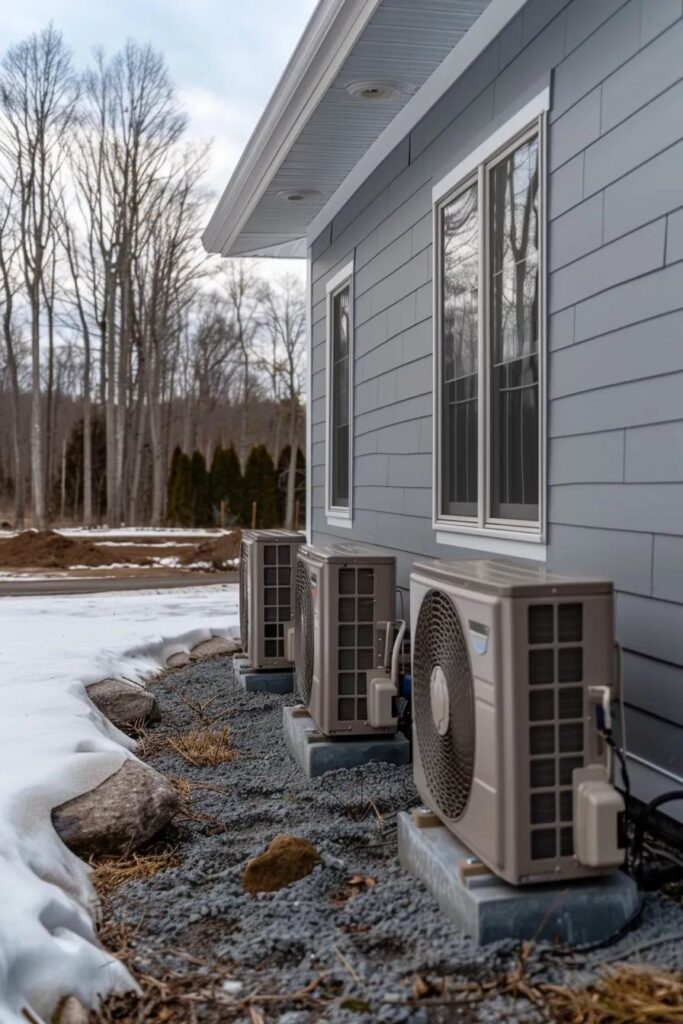
- Air-Source Heat Pumps efficiently move heat between the outdoor air and your indoor coils, offering broad applicability and a more accessible upfront cost.
- Ductless Mini-Splits pair outdoor compressors with multiple indoor units, providing precise, zoned control and exceptional comfort, especially for homes without existing ductwork.
- Geothermal Heat Pumps tap into the stable temperatures of the earth via buried loops, delivering unparalleled efficiency and longevity, though with a higher initial installation investment.
Why Are Heat Pumps Exceptionally Well-Suited for Maritime Climates?
Heat pumps truly shine in the Maritime region because their inverter-driven compressors are designed to adapt to fluctuating coastal temperatures, maintaining high efficiency throughout our milder winters. Here are three core advantages that make them ideal:
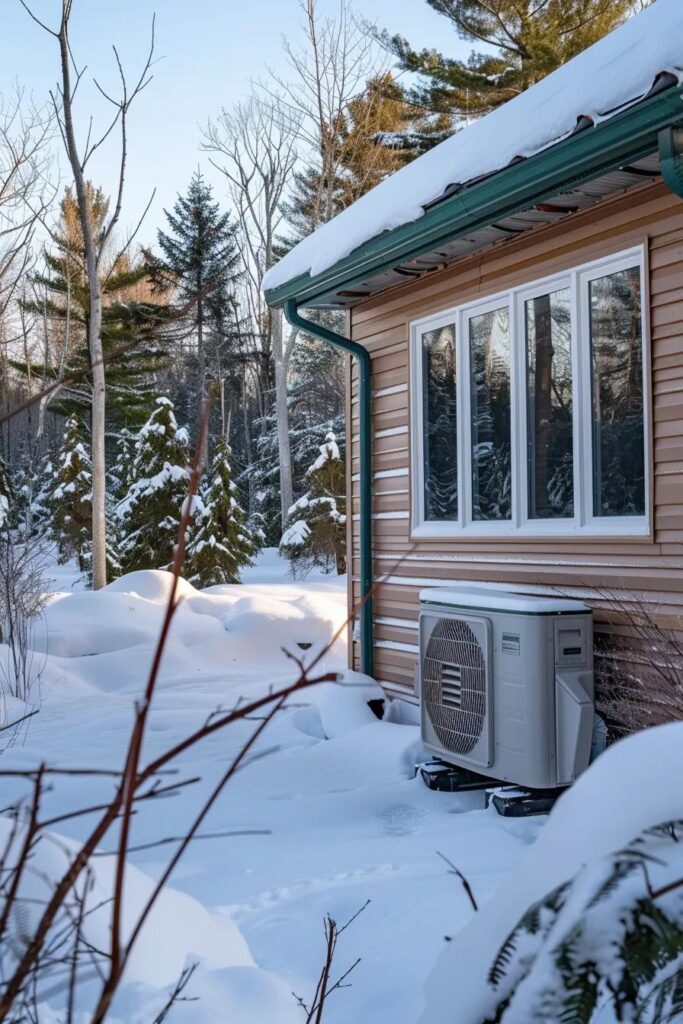
- Robust Cold-Climate Performance – Featuring advanced refrigerants, these systems operate effectively even below −20 °C, reliably meeting your heating demands without needing supplemental electric resistance.
- Significant Energy Savings – By transferring existing heat rather than generating it, heat pumps can slash your heating costs by up to 50 percent compared to traditional oil furnaces or electric baseboard systems.
- Reduced Environmental Footprint – By relying on electricity instead of burning fossil fuels, heat pumps dramatically cut carbon emissions, actively supporting provincial climate goals.
These compelling benefits make high-efficiency heat pumps an increasingly attractive upgrade for Fredericton homes aiming for lower utility bills and a reduced environmental impact. As we move on to efficiency ratings, you’ll gain the knowledge to compare models like a pro.
What Do Heat Pump Efficiency Ratings Actually Mean?
Heat pump efficiency ratings are standardised measurements that help homeowners select systems delivering genuine, real-world savings. The key metrics you’ll encounter are HSPF for heating, SEER for cooling, and COP/EER for instantaneous efficiency. These ratings allow for direct, apples-to-apples comparisons between different models and clearly illustrate the trade-offs between initial cost and long-term operating expenses. Understanding these values empowers you to make informed decisions that align perfectly with the demands of the Maritime climate.
Prioritising the right ratings ensures you’ll have dependable warmth on the coldest days and efficient cooling when summer humidity hits. Each metric offers a unique perspective on performance, which we’ll define and contrast for you below.
What Is the HSPF Rating and How Does It Measure Heating Efficiency?
Heating Seasonal Performance Factor (HSPF) quantifies the total heat output a heat pump delivers over an entire heating season relative to the electrical energy it consumes, measured in BTU per watt-hour. An HSPF of 8.5, for instance, means the unit provides 8.5 BTU of heat for every watt-hour of electricity used. Simply put, higher HSPF ratings indicate more efficient heat pumps, which directly translate into lower winter energy bills.
For New Brunswick’s climate, we recommend models with HSPF ratings of 9.0 or higher for optimal performance. Many of the latest cold-climate designs now exceed an HSPF of 10, offering even greater savings and reliable output on the chilliest nights.
What Does the SEER Rating Tell Us About Cooling Efficiency?
Seasonal Energy Efficiency Ratio (SEER) measures the cooling output divided by the energy input over a typical cooling season, also expressed in BTU per watt-hour. A SEER of 16 means the unit delivers 16 BTU of cooling for every watt-hour of electricity consumed. Higher SEER values signify superior cooling efficiency, leading to reduced summer electricity costs and better control over indoor humidity levels.
New Brunswick homeowners will benefit most from SEER ratings of 15 or higher, as these strike an excellent balance between initial investment and lower summer operating expenses, often accompanied by quieter operation.
How Do COP and EER Reflect Instantaneous Heat Pump Efficiency?
Coefficient of Performance (COP) represents the instantaneous ratio of heating output to electrical input under specific, defined test conditions. Energy Efficiency Ratio (EER) applies the same principle to cooling. A COP of 3.5, for example, means the heat pump delivers 3.5 kW of heat for every 1 kW of electricity consumed at a particular outdoor temperature. EER typically uses higher temperature benchmarks, providing insight into performance during peak cooling demands.
COP and EER are particularly useful for understanding how a heat pump performs at part-load conditions and its short-term efficiency, which can guide decisions about supplemental heating or hybrid system configurations in extreme weather.
What Are Considered Good HSPF and SEER Ratings for New Brunswick Homes?
For Fredericton and the surrounding areas, aim for these minimum efficiency thresholds to ensure dependable savings and year-round comfort:
| Efficiency Metric | Recommended Minimum | Typical High-Efficiency Models |
|---|---|---|
| HSPF | 9.0 | 10.0–11.5 |
| SEER | 15 | 18–20 |
| COP (at 0 °C) | 3.5 | 4.0–4.5 |
Choosing units that meet or exceed these values guarantees robust heating on cold mornings and efficient cooling during humid summers. Opting for models above these benchmarks will maximise your return on investment and ensure long-term satisfaction.
How Can You Maximise Your Heat Pump's Efficiency at Home?
Maximising your heat pump’s efficiency involves a multi-faceted approach: ensuring proper sizing, entrusting the installation to professionals, performing regular maintenance, and utilising intelligent controls. A correctly sized system avoids the energy waste and component stress associated with frequent start-stop cycles, while expert installation by licensed technicians guarantees precise refrigerant charging and optimal ductwork performance. Consistent ongoing maintenance preserves the system’s capacity and prevents performance degradation, and smart thermostats intelligently adapt operation based on occupancy and changing weather conditions.
Implementing these key measures will lead to lower energy bills, enhanced comfort, and a significantly extended equipment lifespan.
Why Is Proper Heat Pump Sizing Absolutely Critical for Efficiency?
An appropriately sized heat pump precisely matches your building’s heat load requirements, preventing the energy-wasting and component-stressing short-cycling that occurs with oversized units. Conversely, undersized units struggle to keep up on the coldest days, often relying heavily on less efficient supplemental heating. Accurate load calculations, which consider your home’s insulation, window area, and local climate, are essential to ensure the selected capacity aligns perfectly with New Brunswick’s temperature profiles.
Getting the sizing right is the fundamental cornerstone for achieving optimal performance and ensuring customer satisfaction.
How Does Professional Installation Directly Impact Heat Pump Performance?
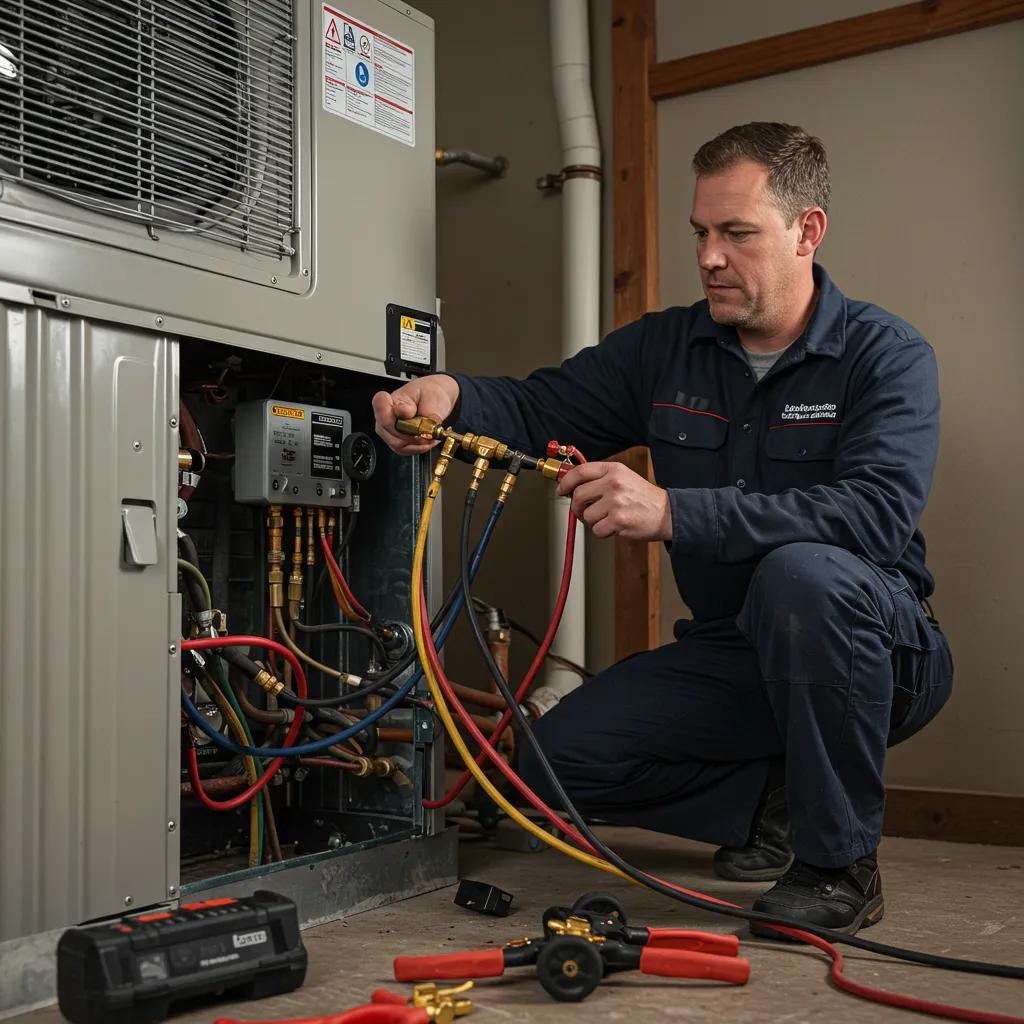
Professional installation by BG Services’ licensed gas, refrigeration, and electrical technicians ensures the correct refrigerant charge, precise compressor calibration, and perfect airflow balance. Our expert installers meticulously verify duct sealing, refrigerant line insulation, and conduct thorough system commissioning according to the strictest manufacturer standards. This unwavering attention to detail prevents efficiency losses, minimises operational noise, and crucially, secures your equipment warranties.
A quality installation is the essential foundation for long-term reliability and peak energy savings.
What Essential Maintenance Practices Keep Heat Pumps Running at Peak Efficiency?
Regular maintenance is vital for preserving heat pump efficiency. It involves diligently checking refrigerant levels, ensuring coil cleanliness, changing filters, and inspecting airflow. Key tasks include:
- Replacing or cleaning air filters every three months
- Inspecting outdoor coils for debris and cleaning them annually
- Checking refrigerant charge and line integrity each season
- Verifying thermostat calibration and airflow balance
Consistent upkeep prevents capacity loss, reduces energy consumption, and extends the overall life of your system. Our annual service agreements with experienced providers ensure these critical tasks are performed reliably and on schedule.
How Do Smart Thermostats Significantly Enhance Heat Pump Energy Savings?
Smart thermostats are designed to learn your household’s occupancy patterns and automatically adjust temperature setpoints to minimise unnecessary heating or cooling. By intelligently leveraging weather forecasts and offering remote control capabilities, these devices effectively reduce energy use during peak rate periods and ensure your home is perfectly comfortable the moment you walk in. Integrating a smart thermostat can boost overall heat pump efficiency by an impressive 10–15 percent, leading to additional savings and seamless temperature management.
What Are the Latest Heat Pump Efficiency Standards and Incentives in New Brunswick?
New Brunswick has implemented updated efficiency requirements and attractive financial incentives to encourage the widespread adoption of heat pumps. Effective January 1, 2025, split-system heat pumps must achieve a minimum HSPF2 of 8.0 and SEER2 of 14.5, while single-packaged units require at least HSPF2 of 7.2 and SEER2 of 13.0. Meeting these standards is essential for accessing provincial rebates and ensures your installation aligns with the province’s energy-saving mandates.
Understanding these evolving standards and available incentives will help you take full advantage of financial support while ensuring your new system is fully code-compliant and performs optimally.
What Are the 2025 Minimum HSPF2 and SEER2 Requirements?
| System Type | Minimum HSPF2 | Minimum SEER2 |
|---|---|---|
| Split-System Heat Pump | 8.0 | 14.5 |
| Packaged Heat Pump | 7.2 | 13.0 |
Meeting these updated thresholds qualifies your installation for valuable rebates from Efficiency New Brunswick and federal heat pump grants, significantly reducing your upfront investment and accelerating the payback period.
How Does BG Services Ensure Full Compliance with Efficiency Standards?
BG Services’ technicians are meticulously kept up-to-date with all New Brunswick efficiency regulations. We conduct precise load calculations, select equipment that meets or exceeds HSPF2 and SEER2 requirements, and perform thorough commissioning tests. With over 25 years of combined experience and a commitment to 24/7 emergency service, we guarantee that every installation not only meets but often surpasses mandated benchmarks. This dedication to regulatory compliance protects your eligibility for homeowner incentives and maximises your long-term energy savings.
What Government Rebates and Incentives Are Currently Available for Heat Pumps?
Homeowners across the Maritimes can access several valuable programs designed to offset the cost of equipment and installation:
- Provincial rebates from Efficiency New Brunswick, covering up to $1,200 for qualifying installations.
- The federal Greener Homes Grant, offering up to $5,000 towards eligible energy-efficient home upgrades.
- Access to low-interest financing options specifically for energy-efficient home retrofits.
By strategically leveraging these incentives, you can significantly reduce the net cost of a high-efficiency heat pump, shortening the payback period and boosting your overall return on investment.
Understanding the latest standards and incentives is your first step towards a cost-effective upgrade. Next, we’ll explore how different heat pump types perform in the challenging cold climates of New Brunswick.
Conclusion
Investing in a high-efficiency heat pump can significantly reduce your energy bills while enhancing comfort in your New Brunswick home. By understanding key efficiency ratings and maintenance practices, you can ensure optimal performance and longevity of your system. Don’t miss out on available incentives that can make this upgrade more affordable. Explore our expert installation services today to start your journey towards energy savings and improved home comfort.